
Either you take payment during the interval, or you do not.
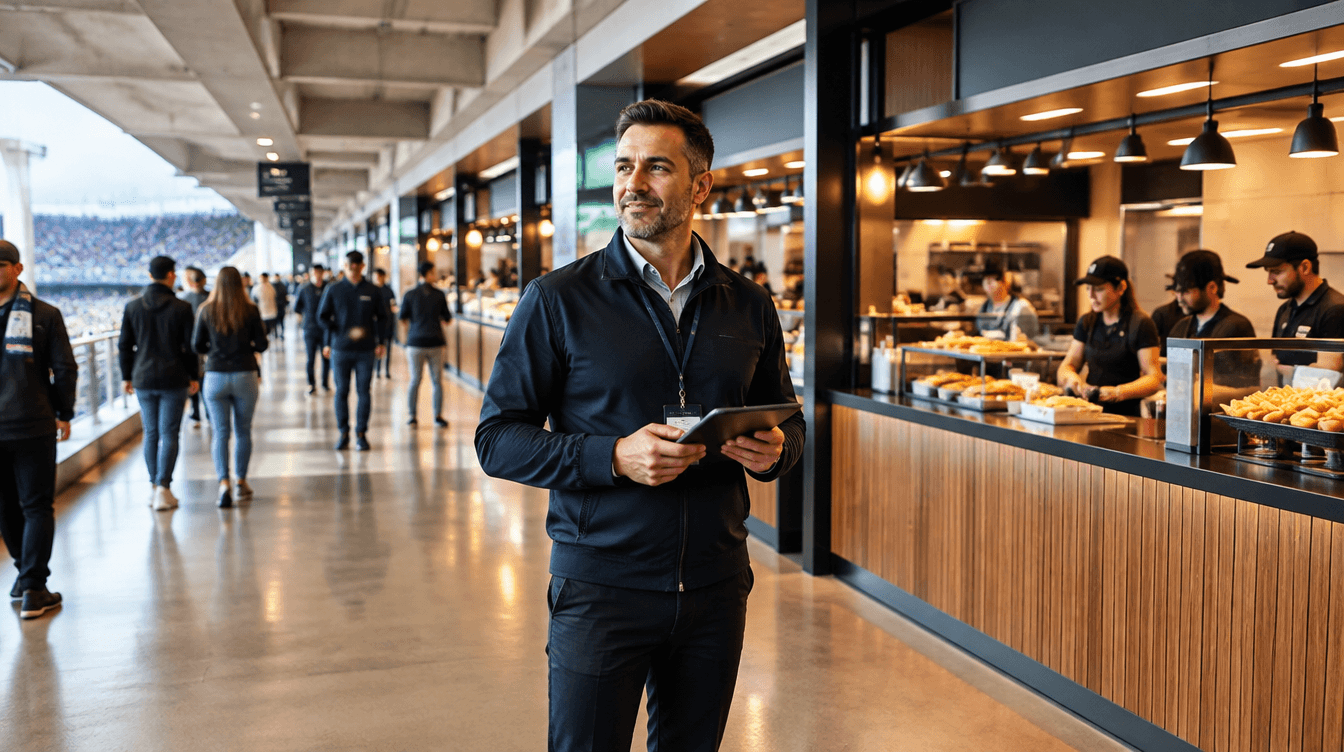
Qodeup for stadiums and arenas is designed around short service windows, many devices, production queues and concentrated peaks; capacity and continuity must be sized for each event.
The problem it solves
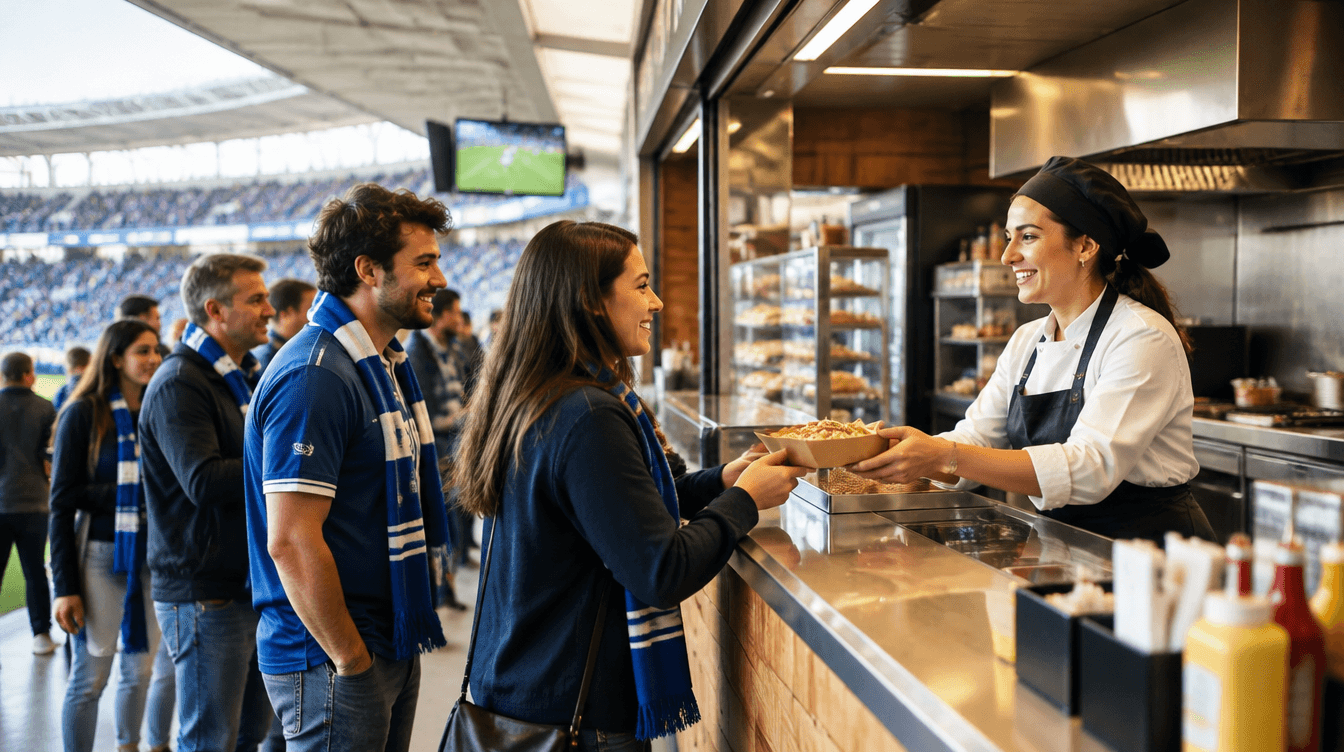
In a stadium demand concentrates into a few minutes at half time: either you take payment then, or you do not.
What changes with Qodeup
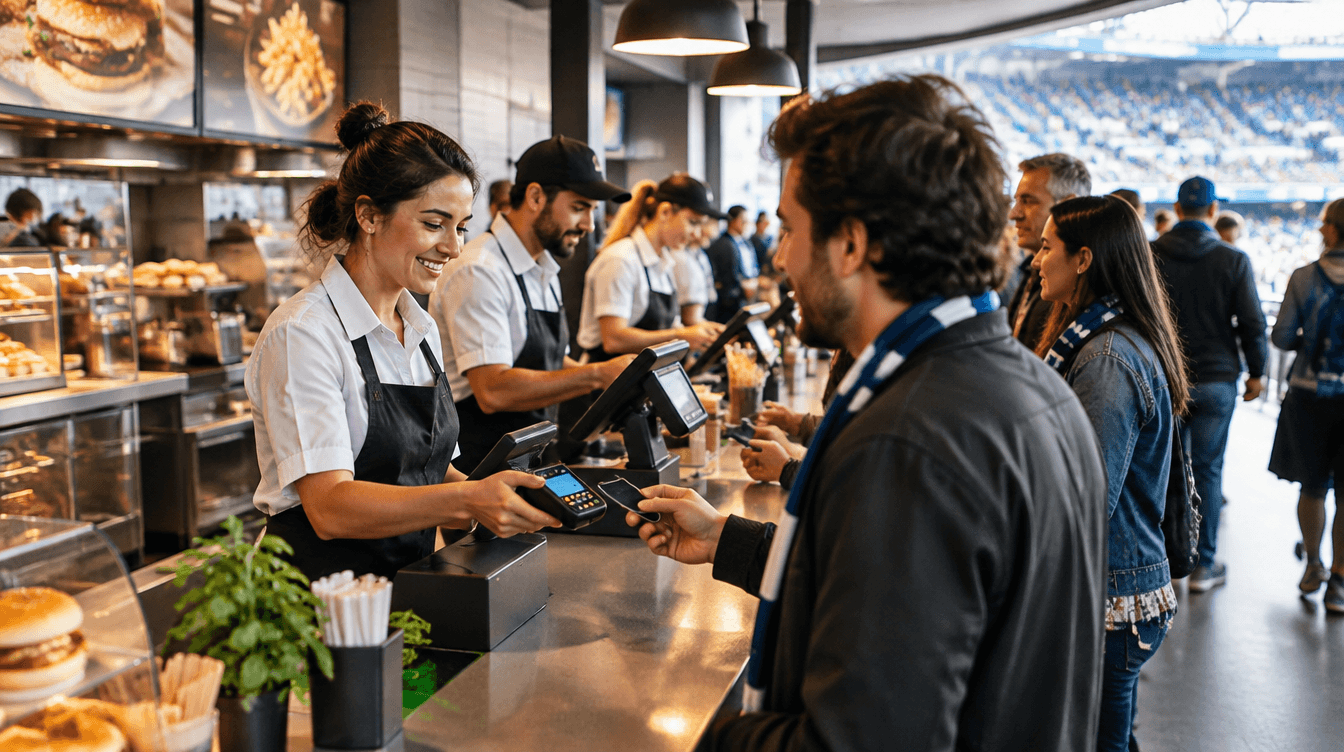
Multiple service points work in parallel with the same configuration and the same view of the data.
Why Qodeup
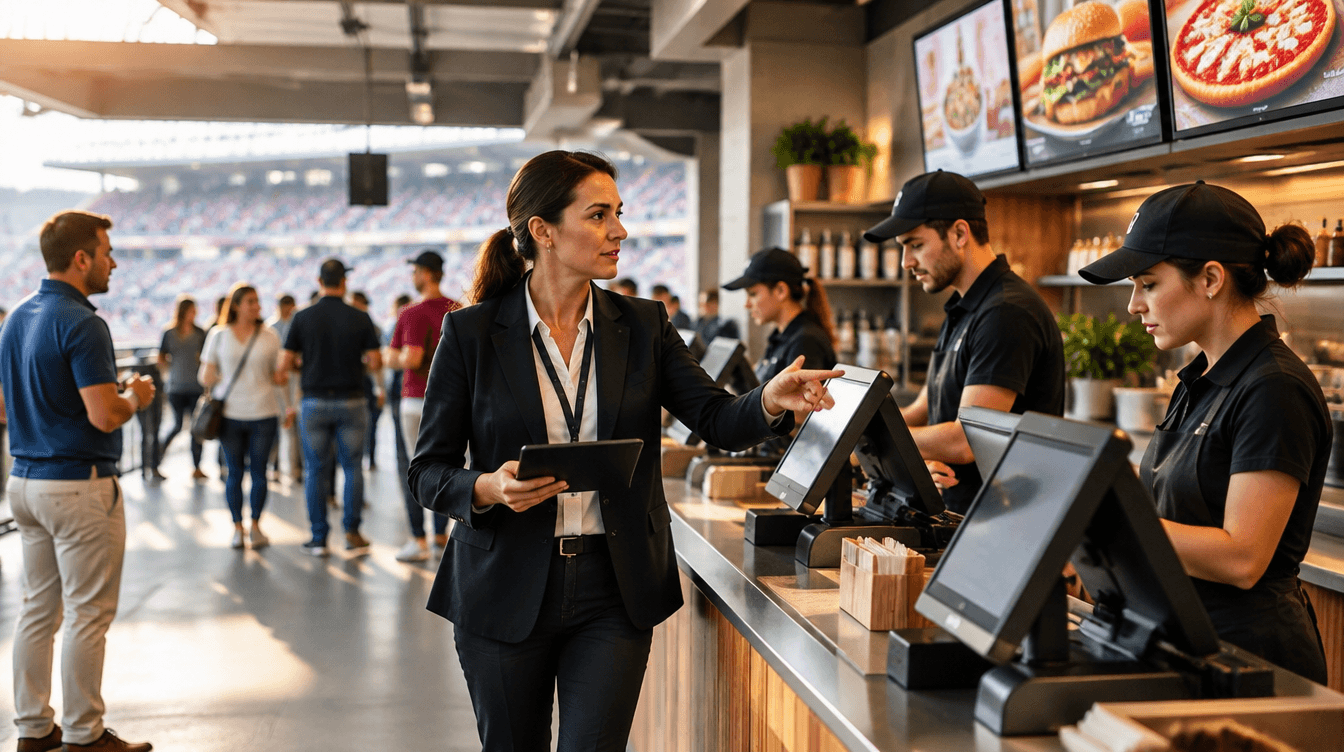
Connectivity is never guaranteed in a venue: the Terminal uses Wi-Fi or mobile network depending on real coverage.
How it works
How to prepare a short service window.
 1
Size the event
Service points, devices and connectivity are assessed around the event’s real flow.
 2
Configure kiosks
Each station receives its intended journey and products without rebuilding the logic from scratch.
 3
Operate in parallel
During the peak, several points work in the same model and the team reviews outcomes after service.
Inside the product
How it behaves during service.
Opening extra kiosks for a single event does not mean redoing the setup.
FAQ
Frequently asked questions
Is Qodeup designed for highly concentrated peaks?
The setup can be designed for short service windows. Devices, network and procedures are sized for the individual event.
Can several kiosks be opened for one event?
Stations can be configured in the agreed model; the number and activation are assessed in the project.
How is connectivity managed?
The Terminal can use Wi-Fi or mobile connectivity depending on activated service and the venue’s actual coverage.
Next step
See this setup in your operating flow.
Share format, venues, POS and priorities so the team can prepare a relevant demo.